How I see the world
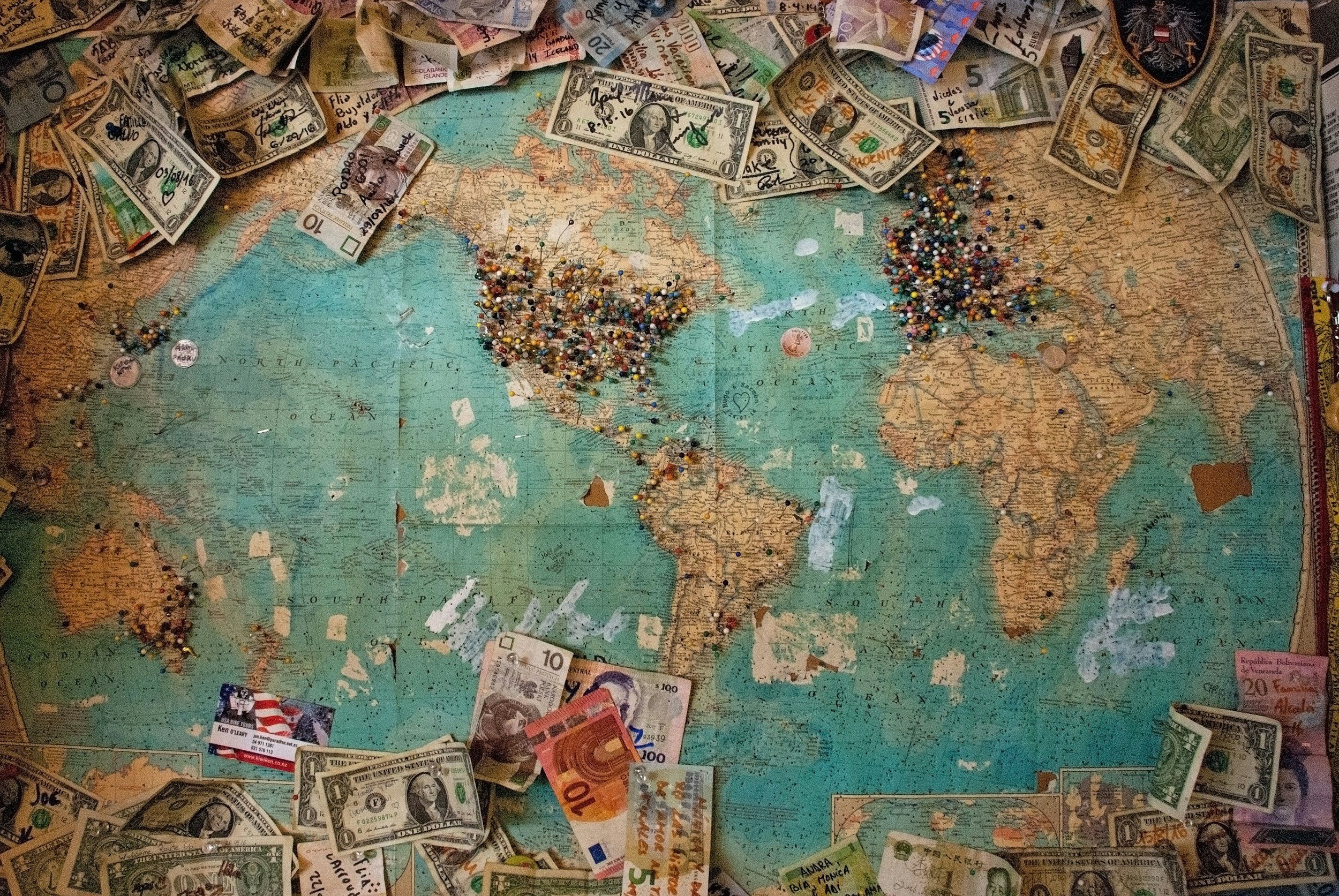
I see the world as a place where systems shape stories, and stories can, in turn, shape systems. I believe in progress that’s measurable and human, in leadership that’s intentional and inclusive, and in the power of naming as a tool for visibility, dignity, and change.
A just society
A Just Society is not a call to optimism, and it is not a promise that fairness arrives on its own. It is an honest account of justice as a practice: naming harm, repairing it, and letting the people most affected shape the remedy. I trace the idea back to a question I have carried since high school and forward into the Belonging Formula, where justice is the denominator that decides whether belonging pools in one corner or reaches everyone. I examine what I refuse to call justice, patience, and colorblindness among them, and the comfortable middle that quietly protects whoever already holds privilege. Most personally, I recall a time when I caused harm and had to let the person I harmed decide what repair was actually required, because the principle only becomes real when it is turned on me. How we keep a harmed person from becoming a person who harms is the question I am still learning to answer.
Chapters in development
Politics for good: Reflects my civic engagement and advocacy.
Of faith: Explores my spiritual grounding and values.
Radical inclusion: Connects your worldview to a leadership imperative of our time.
The power of naming: Explores how language shapes identity, dignity, and systems.
Hope as strategy: Frames optimism as a deliberate, strategic act in leadership.
Systems and stories: Expands on my belief that stories shape systems and vice versa.
Visibility and voice: Discusses the importance of being seen and heard in shaping change.